
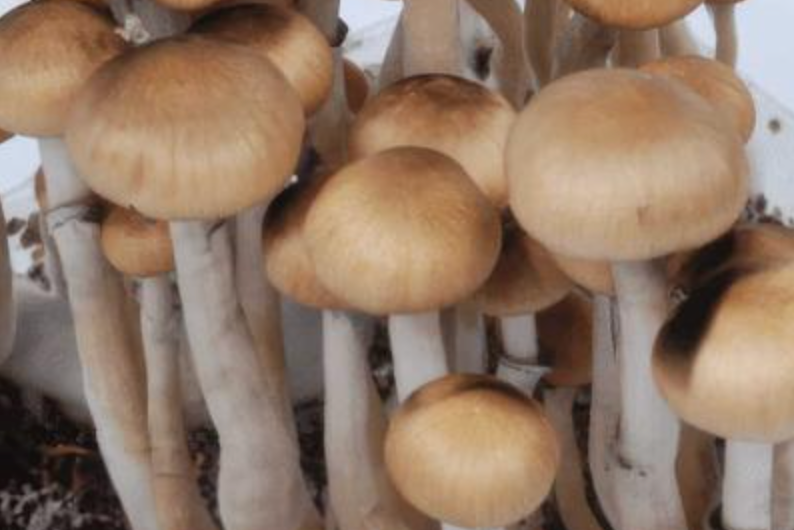
Mazatapec
Mazatapec mushrooms derive their name from the indigenous Mazatec people of Oaxaca, Mexico. This group has practiced shamanic and healing traditions using psilocybin mushrooms for centuries. Ceremonies known as veladas are performed by Mazatec curanderos or shamans, who invoke the guidance of mushroom spirits to conduct deep spiritual healing and vision quests.
The Mazatapec strain was first brought to Western attention in the mid-20th century when R. Gordon Wasson, a banker and ethnomycologist, documented their use. He was one of the first outsiders to witness a Mazatec mushroom ceremony led by María Sabina, a revered indigenous healer. The publication of these events in Life Magazine in 1957 is considered a landmark moment that catalyzed modern Western psychedelic exploration.
Unlike many strains that have been hybridized or altered, Mazatapec remains genetically and culturally connected to its roots. It’s often cultivated in ways that honor traditional methods and is celebrated within psychedelic circles for maintaining its original character. In the age of synthetic psychedelics and designer mushrooms, Mazatapec continues to remind users of the grounded, sacred origins of psilocybin use.